

Creating Hover States That Actually Feel Good
A practical guide to designing button hovers and link interactions that provide feedback without feeling sluggish or overdone.
Read ArticleSubtle animations and responsive feedback for modern Hong Kong websites

Hover effects, form feedback, and loading states that users actually notice
Practical techniques for creating smooth, accessible motion design
Know when to use transitions for simple changes and keyframes for complex sequences
Respect prefers-reduced-motion settings so users with motion sensitivity aren’t overwhelmed
Animations that enhance UX without slowing down your site or draining device batteries
Four key steps to effective microinteraction design
Start by asking what feedback the user needs right now
100-300ms for most interactions feels responsive without being jarring
Desktop, mobile, and tablet all perform differently — test everywhere
Always provide a no-motion alternative for users who need it
How we approach animation design for Hong Kong’s digital landscape
Small, well-crafted animations create impact without distraction or distraction
Fast load times matter more than fancy effects. We optimize for performance always
Not everyone experiences motion the same way. We design for everyone
Every animation should solve a problem or guide the user’s attention intentionally
UI Microinteractions and Animation Design
A practical guide to designing button hovers and link interactions that provide feedback without feeling sluggish or overdone.
Read Article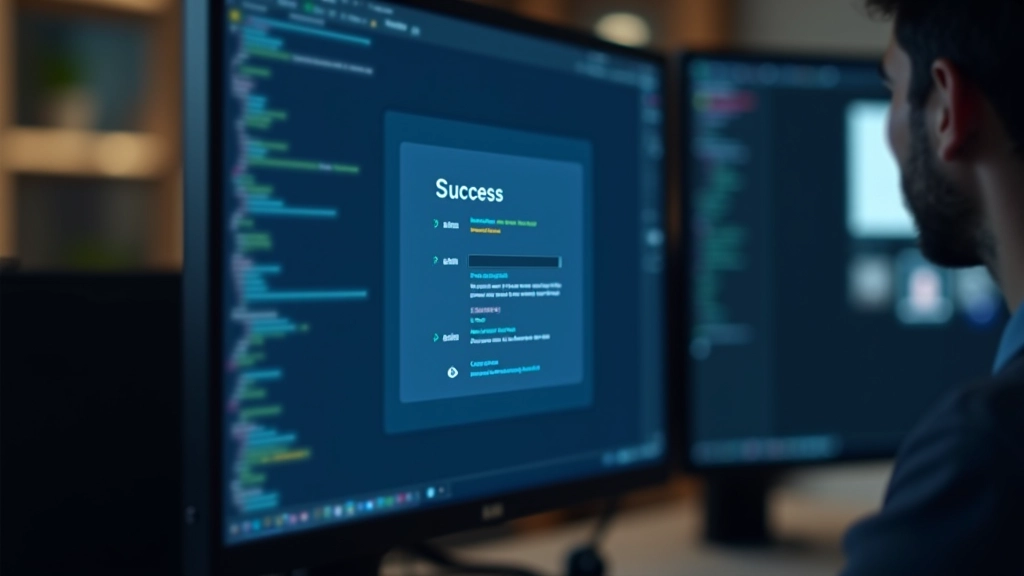
Real-time validation feedback with CSS animations helps users correct errors immediately, reducing form abandonment rates significantly.
Read Article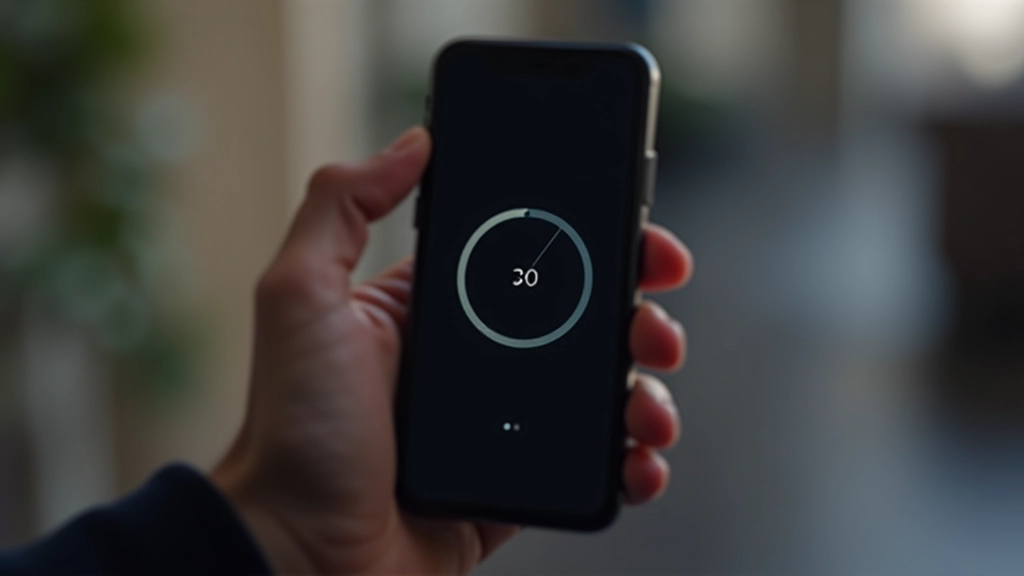
Perceived wait time shrinks when you add meaningful loading indicators. We’ll show you the best patterns for spinners, progress bars, and skeleton screens.
Read ArticleLet’s talk about how microinteractions can improve your users’ experience. We’re here to help with design, implementation, and optimization for Hong Kong’s digital ecosystem.
Contact Us